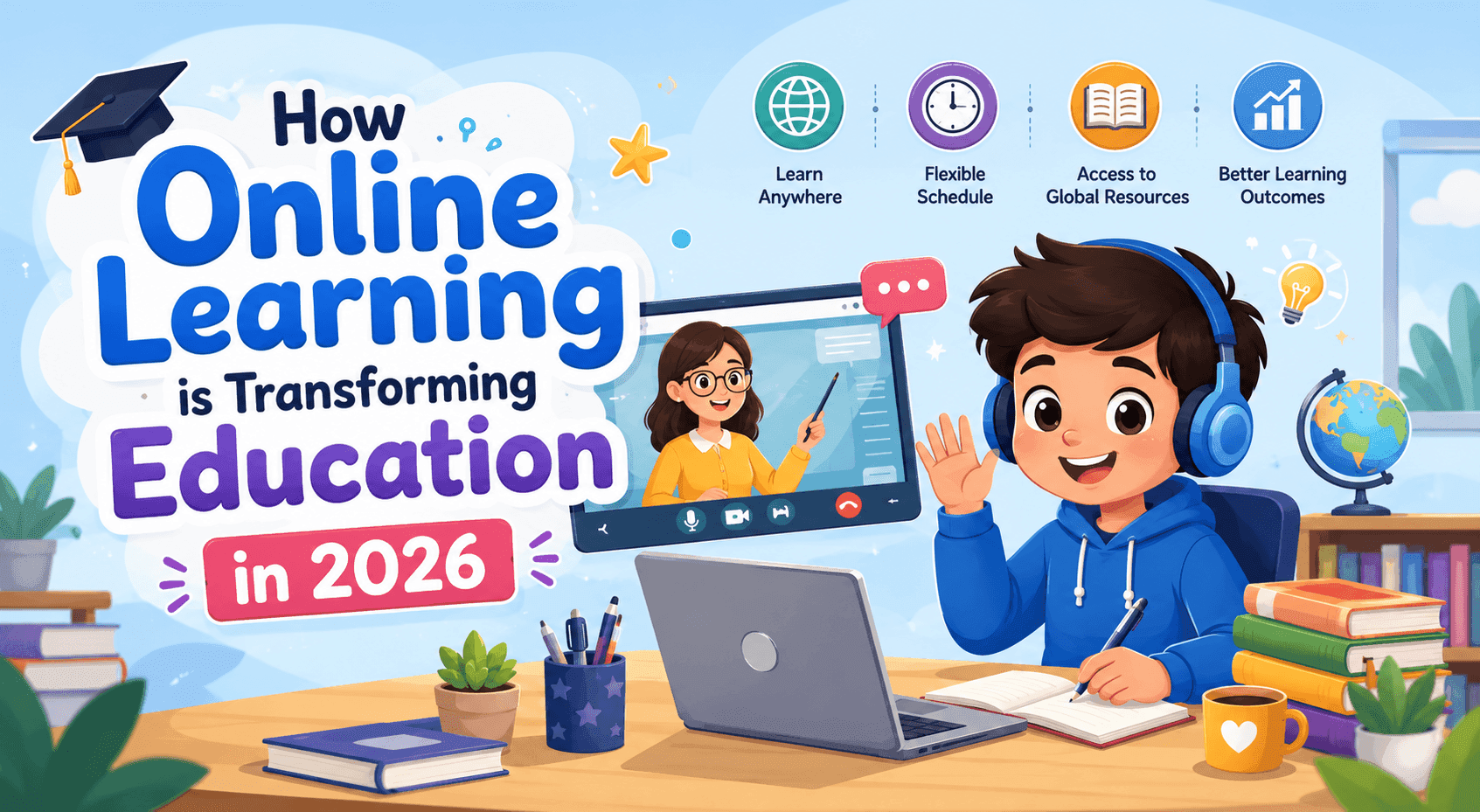
Education has undergone a remarkable transformation over the past decade, and in 2026, online learning has become one of the most powerful forces shaping the future of education. What was once considered an alternative learning method is now a mainstream solution that connects students, teachers, and educational resources across the globe.
Online learning is no longer limited by geographical boundaries, classroom walls, or traditional schedules. It has created new opportunities for students to learn at their own pace, access quality education, and develop the skills needed for a rapidly changing world.
The Rise of Flexible Learning
One of the biggest advantages of online learning is flexibility. Students can attend classes from the comfort of their homes while maintaining a schedule that suits their individual needs.
Whether a student needs extra support in a specific subject, wants to learn a new skill, or prefers personalized attention, online learning provides options that traditional classrooms often cannot offer.
This flexibility helps students:
Learn at their own pace Revisit recorded lessons when needed Balance academics with extracurricular activities Access education regardless of location Personalized Learning Experiences
In 2026, education is becoming more student-centered than ever before. Online learning platforms use advanced technologies to create personalized learning paths that match each student's strengths, weaknesses, and learning styles.
Instead of following a one-size-fits-all approach, students receive customized support that helps them achieve better outcomes. Teachers can track progress, identify challenges, and provide targeted guidance to improve learning effectiveness.
Access to Global Educational Resources
Online learning has opened the doors to a world of knowledge. Students are no longer restricted to local educational resources. They can now learn from expert teachers, participate in international programs, and access digital libraries, interactive content, and educational tools from around the world.
This global access helps students:
Gain exposure to different perspectives Learn from experienced educators Develop international communication skills Stay updated with the latest educational trends Enhanced Student Engagement Through Technology
Modern online learning platforms incorporate interactive tools that make education more engaging and effective. Features such as live classes, quizzes, virtual labs, educational games, and collaborative projects help students stay motivated and actively participate in their learning journey.
Technology has transformed learning from a passive experience into an interactive and dynamic process.
Improved Opportunities for Teachers
Online learning is not only benefiting students but also creating new opportunities for teachers. Educators can now reach learners across different cities and countries, expand their professional careers, and utilize innovative teaching tools to enhance classroom experiences.
Teachers can:
Conduct classes from anywhere Access professional development programs Use digital tools to improve instruction Connect with a larger student community Building Future-Ready Skills
The modern workforce demands skills beyond traditional academic knowledge. Online learning helps students develop essential future-ready skills such as:
Digital literacy Critical thinking Problem-solving Communication Collaboration Self-discipline Time management
These skills are becoming increasingly important in a technology-driven world and prepare students for future academic and career success.
Making Quality Education More Accessible
One of the most significant impacts of online learning is its ability to make quality education accessible to a wider population. Students living in remote areas can now connect with qualified teachers and educational programs that were previously unavailable to them.
This increased accessibility is helping bridge educational gaps and creating equal learning opportunities for students from diverse backgrounds.
The Future of Education
As technology continues to evolve, online learning will become even more personalized, interactive, and effective. Artificial intelligence, virtual reality, adaptive learning systems, and data-driven educational insights will further enhance the learning experience.
The future of education is not about replacing traditional classrooms but combining the strengths of both online and offline learning to create a more inclusive, flexible, and effective educational ecosystem.
Conclusion
Online learning is transforming education in 2026 by making learning more accessible, flexible, personalized, and engaging. It is empowering students to learn beyond boundaries, helping teachers expand their impact, and preparing learners for the challenges and opportunities of the future.
As education continues to evolve, online learning will remain a key driver of innovation, ensuring that quality education is available to anyone, anywhere, at any time.
Education is no longer confined to a classroom—it is now a global, connected, and lifelong journey.